Solutions to Combat Textile Waste and Drive Sustainability in Fashion

Textile waste is a major concern that has drawn significant attention in recent years. The rise of fast fashion, with its constant appetite for new clothing, has positioned the textile industry as one of the largest contributors to global waste. In fact, the United Nations reports that around 92 million tons of textile waste are generated annually, which underscores the urgent need to encourage sustainable practices.
Understanding Textile Waste
Textile waste encompasses all discarded materials produced throughout the manufacturing, distribution, and consumption of textiles. This includes production off-cuts, unsold inventory, and clothes disposed of by consumers. The environmental impact is profound; textile waste contributes to landfill overflow, generates greenhouse gases, and pollutes waterways.
The fast fashion model, with its quick production cycles and low-cost items, exacerbates this issue. Consumers are often encouraged to buy more and quickly discard items, leading to a harmful throwaway culture. To address this, more sustainable fashion approaches are critical.
The Role of Recycling
Recycling is one of the most effective strategies for reducing textile waste. It can dramatically cut the amount of waste destined for landfills. Here are a few recycling methods that are gaining traction:
Mechanical Recycling: Old textiles are shredded and re-spun into new fibers. For instance, about 30% of the cotton material in jeans can be recycled into new denim, significantly lowering waste and resources needed for new fabric production.
Chemical Recycling: This technique breaks textiles down at a molecular level to generate new raw materials. It is particularly beneficial for synthetic fibers like polyester, known for being challenging to recycle through mechanical means.
Upcycling: Instead of discarding old garments, upcycling transforms them into new products—such as bags or home decor. For example, a company like Ecovate offers upcycled products made from old textiles, showcasing how creativity can help reduce waste while providing unique items.
I think there's a fourth option as well - Make do and Mend: to improve the clothing we already own, fixing holes, making alterations for a better fit, and adjusting for style changes. This approach is probably more suitable for high-quality garments where the fibers and craftsmanship are designed for durability. However, it's a time-tested method that has been used for centuries before us.
Sustainable Fashion Brands
A growing number of brands are committed to sustainability and minimizing textile waste in their operations. These companies are adopting eco-friendly practices, like using organic materials and implementing take-back programs. Some notable examples include:
Patagonia: This outdoor apparel leader promotes sustainability by urging customers to repair rather than replace items. They also offer a recycling program for worn-out clothing, keeping millions of pounds of textiles out of landfills each year.
Eileen Fisher: Eileen Fisher operates a take-back program that allows customers to return clothes for recycling or resale. The brand uses over 50% sustainable fibers in its collections, reflecting a strong commitment to ethical fashion.
Reformation: This trendy brand emphasizes sustainable practices by using eco-friendly fabrics and offering customers insights into the environmental impact of their purchases. Almost 70% of their garments are produced in environmentally safe materials, making style and sustainability come together.
By supporting these brands, consumers can make a meaningful impact on creating a greener fashion industry and reducing textile waste.
Certainly, there are many more options available. Earlier this year, Emily Chan at Vogue featured "28 Of The Best Sustainable Clothing Brands". Patrick Grant from the Great British Sewing Bee is the founder of the UK-based Community Clothing brand, which provides classic garments crafted from biodegradable materials. Additionally, numerous small businesses, including mine, are striving to make a significant impact collectively.
Consumer Responsibility
Brands have an essential role in cutting down textile waste, but consumers must also make sustainable choices. Here are some practical steps we can all take:
Buy Less: Embrace a minimalist wardrobe. Focus on quality over quantity and invest in timeless pieces that will last longer. For example, a well-made winter coat can last for years, reducing the need for frequent purchases.
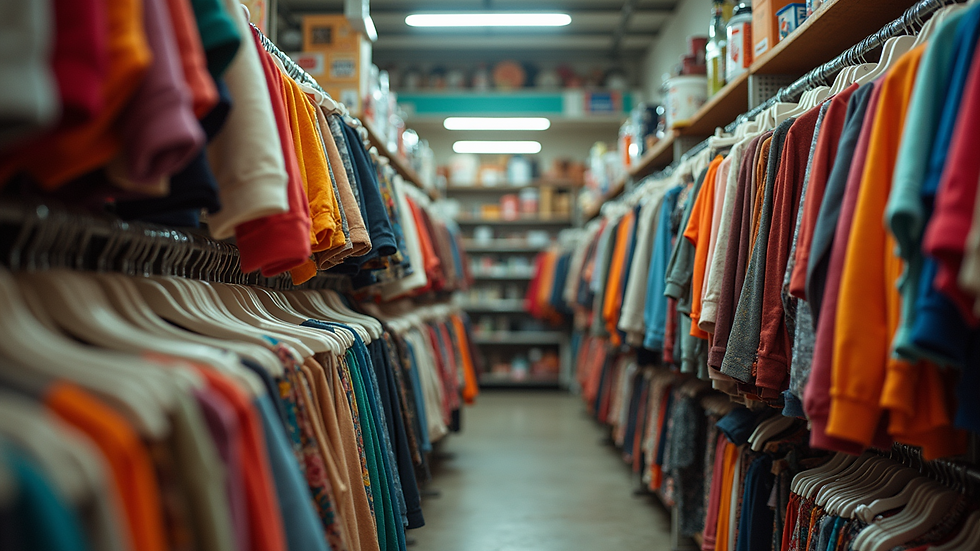
Choose Second-Hand: Thrift shopping is an excellent way to discover unique clothing while reducing the demand for new items. In 2020, thrift stores reported a growth of more than 20% as consumers sought sustainable alternatives.
Care for Your Clothes: Proper care extends the life of your garments. Follow washing instructions, repair minor damages, and store items correctly. Even simple practices like air drying can significantly reduce wear and tear.
Donate or Sell Unwanted Items: Instead of tossing clothes, consider donating to charity or selling online. Not only does this help others, but it also diverts textiles from landfills.
Innovative Technologies
Emerging technologies are also transforming the textile industry. Innovations such as 3D Knitting (which can reduce waste by over 30% compared to traditional methods), Biodegradable Fabrics (Biodegradable polyester may fully decompose in less than three years) and Blockchain for Transparency (Blockchain technology can enhance supply chain transparency, allowing consumers to trace the origins of their clothing). These technologies not only help mitigate textile waste but also foster a more sustainable and ethical fashion industry.
Taking Action for a Better Future
Addressing textile waste requires coordinated efforts from brands, consumers, and innovators. By embracing recycling, supporting sustainable fashion brands, and making conscious buying choices, we can all play a role in reducing textile waste. The future of fashion is in our hands. With innovative solutions and a shared commitment to change, we can create a more sustainable industry for generations to come.


Comments